In my 11 months here, perhaps one of the most valuable lessons I've learned is that of the importance to follow through on ongoing, developing stories.
Even in a small town, most events signify a series of smaller events leading up to them. For example, a community-wide Thanksgiving dinner is not just a dinner; it's supported by weeks and even months of planning, fundraising, advertising, organizing and volunteering. Each of those aspects can represent its own story -- or stories.
In my coverage area, the arrival of a new Veterans Administration community-based outpatient clinic was newsworthy enough to garner months of attention in the form of stories on the negotiating and construction processes. The day the clinic opened was only one news story among a long series of them leading up to its ribbon-cutting. Three reporters cycled through that beat between the planning stage and the clinic's completion, but we all recognized the imperative to continue covering its progress. And now I plan to follow up with more pieces outlining the impact it has on the veterans community, new employees and local area.
Another story on my beat that has required proactive and consistent follow-through has been the Tony Martin Jr. shooting, which occurred in October. Since then, I have written no fewer than 12 stories about the investigation process, public officials withholding documents pertaining to the case, attorneys' statements and plans, case filings and court hearings.
The benefit to following these stories through is not only that you as a reporter will produce more (and more interesting) copy, but that each story will be placed in a wide context, giving readers a deeper and broader perspective on their community and the persons in it.
Furthermore, this practice gives you an opportunity to develop a sweet rapport with your sources, who will begin calling you with new information before you have to ask.
04 June, 2009

29 May, 2009


21 April, 2009
red all over
Now is as good a time as any to admit I've been branching out a little bit into photojournalism. Unlike many who pick up a camera in order to make themselves more marketable in the new media world, I picked up my Canon Rebel XT because I have always loved photography and the stories pictures can tell.
I haven't quite figured out the relationship between my writing and my photography yet (I'm discouraged from taking my own photos for my stories, so I am mostly a hobby photographer at the moment), but I do enjoy both and can only hope one day they will be inextricable from one another and from my identity as a journalist.
They say about newspapers that they're black and white and re(a)d all over. The building behind our bureau is red all over, and I thought this somewhat fitting to the newspaper theme.



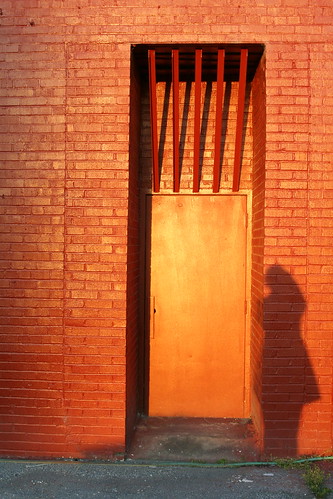
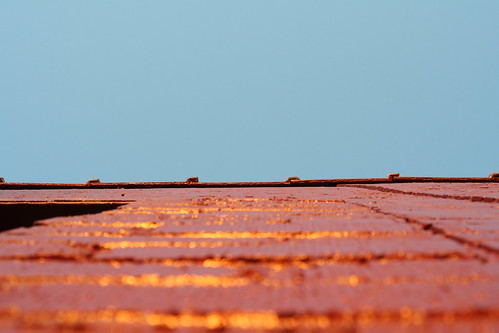
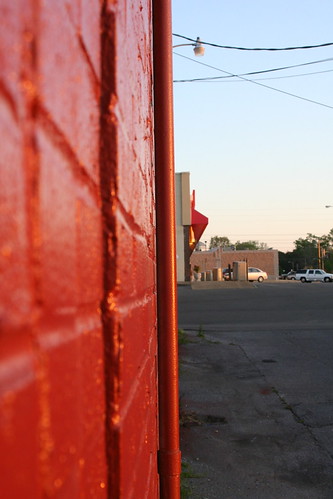
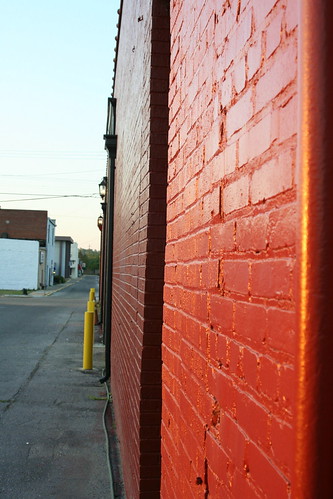
I haven't quite figured out the relationship between my writing and my photography yet (I'm discouraged from taking my own photos for my stories, so I am mostly a hobby photographer at the moment), but I do enjoy both and can only hope one day they will be inextricable from one another and from my identity as a journalist.
They say about newspapers that they're black and white and re(a)d all over. The building behind our bureau is red all over, and I thought this somewhat fitting to the newspaper theme.
16 March, 2009
And so it goes: Another one bites the dust
Instead of growing more apathetic and desensitized to the demise of my fellow newspapers all over the country, each paper fold cuts my heart more deeply to the core. Today Hearst announced the Seattle Post-Intelligencer (P-I, as we call it in the journo world and in the NW region) is putting its last paper to bed tonight.
Thankfully, unlike the Rocky, the P-I will be staying in business in a fully-digital format.
What that means for the staff: reduction from 150+ employees to around 20. I can't help wondering what it would feel like to be one of the 20. I'd be relieved, but I imagine the object of much envy and bitterness. It would suck.
My Seattle Courant contact wrote about it from the unique perspective of an already online-exclusive news source in the same city.
Tweeted:
“Seattlepi.com isn't a newspaper online—it’s an effort to craft a...dig biz w/a robust, comm. news & inf. Web site at its core.” --Swartz.
RT @moniguzman Mng. Ed. McCumber at last P-I budget meeting: "We're gonna put out a great @$#% newspaper today. Any questions?"
It is not the end of the world as we know it, but it makes a lot of us wonder where we're heading and how long we'll have jobs. The bread-and-butter of newspapering is disappearing, and so those of us trained in the great news reporting tradition feel our skills becoming obsolete.
Oddly, in the midst of all this horror, the local community newspaper seems to be doing well in comparison with the corporate-owned larger city and national newspapers. But how long will that last? Do enough citizens out there care anymore that their most effective mediator to the government is being slain? And not in the dark of the night, but in front of their very eyes in the broadest of daylight?
Do they realize that when the newspaper as such is gone, so is their freedom of speech and their ability to participate in democracy? Who will inform them, when this bloodbath is finished?
What does your local newspaper mean to you and your community?
Does it effectively fill its role as a public watchdog?
Does it seem to be surviving?
Are you reading it?
How could it better meet your community's needs?
Please share thoughts. I particularly want to hear from the readers.
26 February, 2009
Final salute to The Rocky Mountain News
The Rocky Mountain News announced today it is printing its final edition Friday (tomorrow) -- two weeks shy of its would-have-been 150th anniversary.
This is a sad day for newspapers everywhere.
"It's strange to cover your own funeral," the RMN Twitterfeed read a few minutes ago.
And earlier, I shuddered at this: "Temple tells reporters that a lot of stories they've been working on will not see the light of day."
My grief is especially acute over this newspaper fold, over all other folds and staff cuts announced in the last year. I am not sure exactly why, but maybe because of the examples used in my journalism classes from that paper. It was a model for doing many things the right way. I grew attached to it early in my journalism career, before I was even a full-fledged cub reporter.
A lump formed in my throat as these Tweets came through:
"In news meeting, puffy-eyed Managing Editor is handing out assignments. The conference room is quiet but everyone is engaged."
"People are worried about their futures but the focus is still on the paper and web site."
"Newsroom atmosphere: Designers are huddled around white boards, looking at story assignments. Editors are huddled with reporters."
In honor of the paper's last day, and in memory of its longstanding status as Colorado's oldest newspaper, I share with you one of my favorite special reports, ever. And it just happened to be published at The Rocky Mountain News.
Apropos of this occasion, the special report is entited "Final Salute." Pull out your hankie, and enjoy.

RIP, Rocky
Subscribe to:
Posts (Atom)
Subscribe To


 Posts
All Comments
